
1: Understanding the Digital Battlefield

Essential Cybersecurity Basics
INTRODUCTION
Cybersecurity is the essential practice of protecting systems, networks, and data from digital attacks and unauthorized access. It functions as the digital equivalent of a high-security vault, ensuring the confidentiality, integrity, and availability of information in an increasingly connected world.
WHAT ARE CYBER THREATS?
Let’s break down some of the most common threats you might encounter:
- Malware (Malicious Software): This is a broad term for any software designed to harm your computer or network. Think of it as a digital virus.
- Viruses: These self-replicating programmes spread by attaching themselves to files. They can corrupt data, slow down your computer, or even steal your information. Imagine a virus spreading through your home, infecting every room and every person it.
- Ransomware: This type of malware encrypts your files, making them inaccessible. The attackers then demand a ransom payment to restore access. It’s like a digital hostage-taker, locking your files until you pay a ransom.
- Example: On 14 May 2021, Ireland’s Health Service Executive (HSE) was hit by a major Conti ransomware attack that forced the shutdown of all HSE IT systems nationwide. It is widely regarded as the most significant cybercrime attack on an Irish state agency and the largest known ransomware attack against a national health service.
- Spyware: This secretly monitors your computer activity, collecting information like passwords, browsing history, and personal data. It’s like having a hidden camera in your home.
- Trojans: These disguise themselves as legitimate software, but once installed, they can open backdoors for attackers to access your system.
- Example: A fake software update that installs a trojan that gives the attacker access to your webcam.
- Phishing: This involves tricking people into revealing sensitive information through deceptive emails, messages, or websites.
- Example: You might receive an email pretending to be from your bank, asking you to verify your account details by clicking on a link.
- Denial-of-Service (DoS) Attacks: These overwhelm a website or network with traffic, making it unavailable to users. Imagine a flood of invaders overwhelming a castle’s defences.
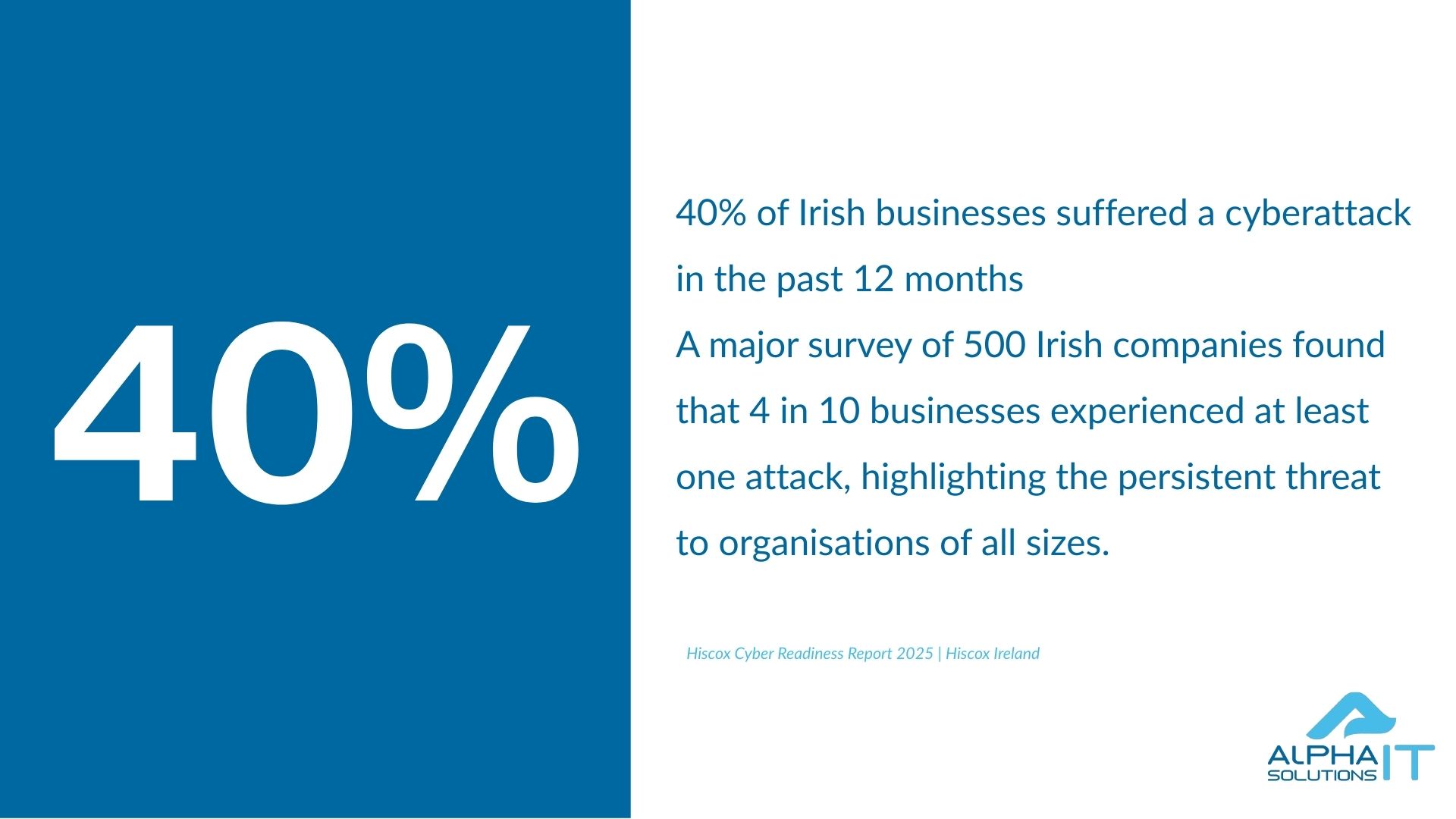
Why Cybersecurity Matters:
The consequences of a cyberattack can be severe:
- Financial Losses: Data breaches can lead to significant financial losses due to stolen funds, legal fees, and regulatory fines.
- Example: “A small business might lose thousands of Euro due to a ransomware attack, forcing it to close down.”
- Reputational Damage: A data breach can erode customer trust and damage your company’s reputation.
- Example: “Customers might lose confidence in a company that has experienced a data breach, leading to a decline in sales.”
- Legal Penalties: Companies that fail to protect sensitive data may face legal penalties under data privacy regulations like GDPR.
- Loss of sensitive data: Customer data, intellectual property, and other company secrets can be stolen and sold on the dark web.
According to The Irish Times, cybercrime is on the rise, and the average cost of a data breach is increasing. Protecting customer data is not just a legal requirement; it’s also a matter of ethical responsibility. Every employee plays a role in safeguarding this information.
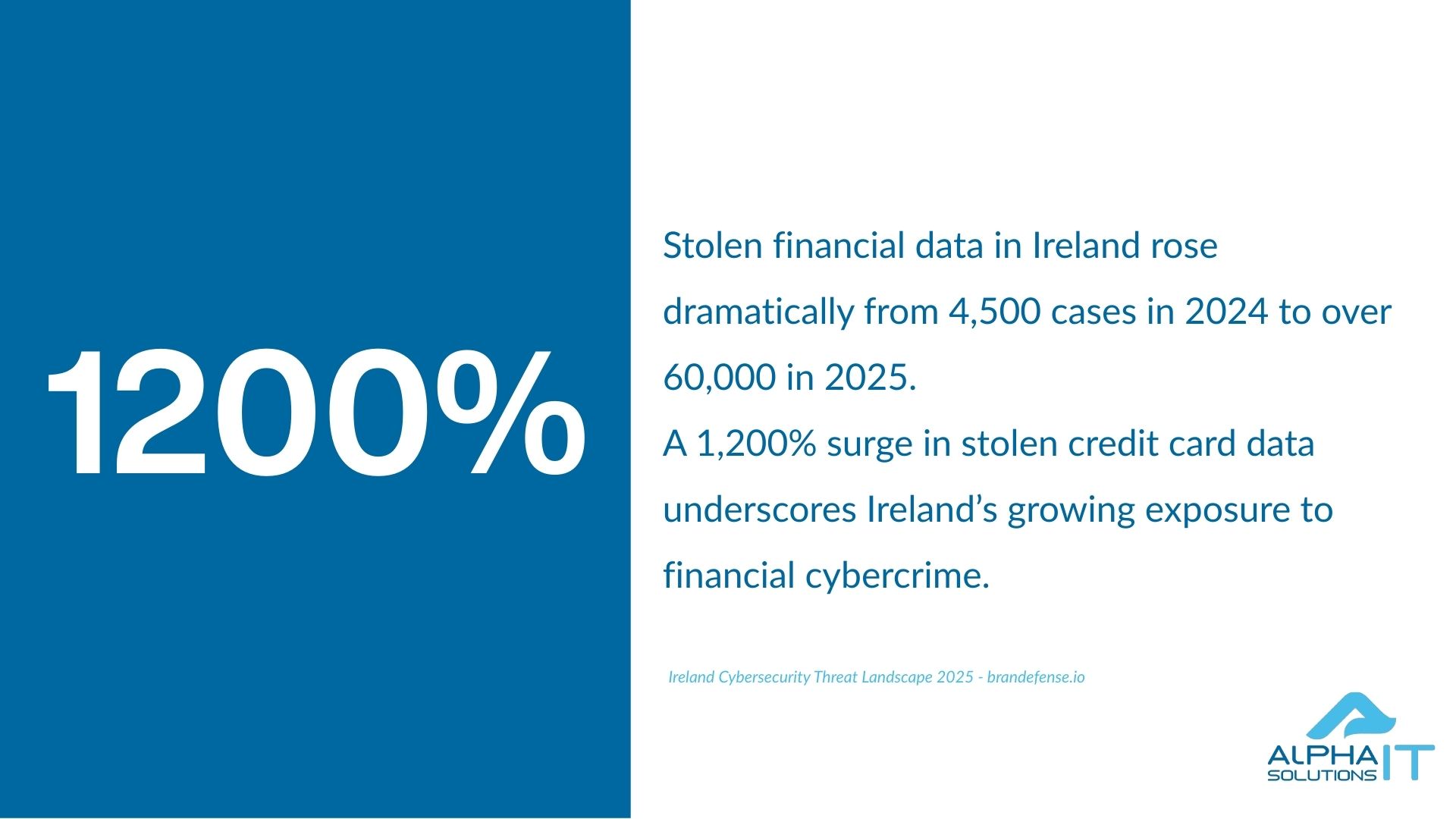
BASIC SECURITY PRACTICES:
While we’ll delve into these in more detail in future posts, here are some fundamental security practices to keep in mind:
- Strong Passwords: Use long, unique passwords and avoid reusing passwords across multiple accounts.
- Software Updates: Keep your software and operating systems up to date with the latest security patches.
- Safe Browsing: Avoid clicking on suspicious links or downloading files from untrusted sources.
- Antivirus Software: Install and regularly update antivirus software on your devices.
- Be Sceptical: If something seems too good to be true, it probably is.
CONCLUSION
Cybersecurity is an ongoing process, not a one-time fix. By understanding the threats and adopting basic security practices, we can all contribute to creating a safer digital environment. Remember, we’re all in this together. Stay vigilant, stay informed, and let’s work together to protect your business.
FREE DOWNLOAD
Download a PDF version of this material.