
4: Safeguarding Sensitive Information:

Data Protection and Privacy Essentials
INTRODUCTION
Organisations in Ireland must protect personal and sensitive data by complying with GDPR and the Data Protection Act 2018.
Understanding Sensitive Data
Sensitive or confidential data is any information that, if accessed or disclosed without authorisation, could cause harm to individuals or organisations.
Under GDPR, certain categories of data—known as special categories of personal data—receive enhanced protections.
Examples include:
Personally Identifiable Information (PII)
Information that can directly or indirectly identify a person, such as:
- Names, addresses, email addresses
- Dates of birth
- Identification numbers (e.g., PPS numbers)
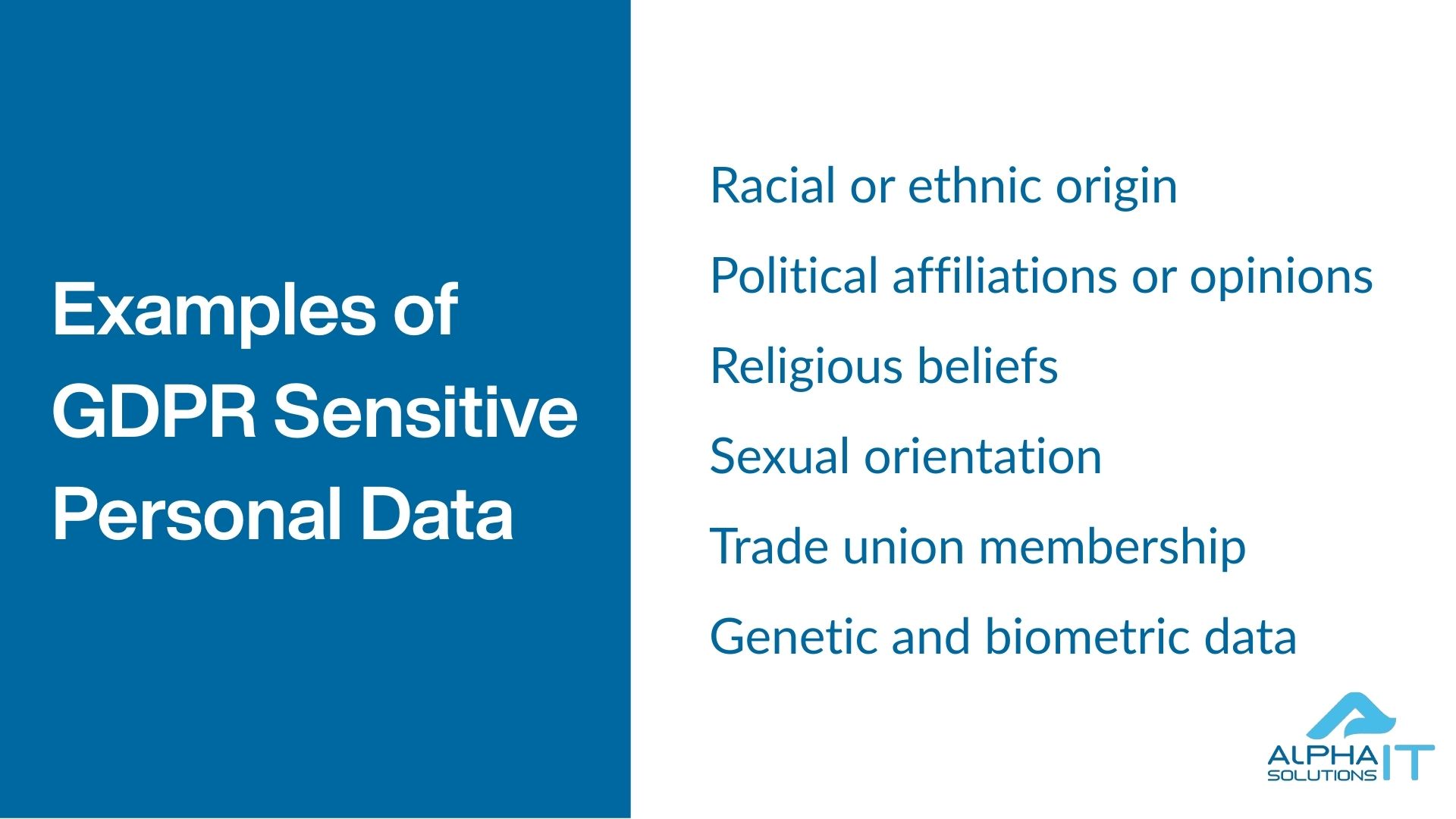
Special Categories of Personal Data (GDPR Article 9)
These categories require additional protection:
- Health data
- Genetic or biometric data
- Racial or ethnic origin
- Religious or philosophical beliefs
- Trade union membership
Financial Information
- Bank account numbers
- Card details
- Transaction histories
Health Information
- Medical records
- Health insurance details
- Clinical data
Intellectual Property
- Software code
- Trade secrets
- Patent-related materials
Business Confidential Information
- Customer lists
- Strategic plans
- Revenue or performance data
Key Data Protection Principles
The GDPR sets out fundamental principles that all organisations must follow when processing personal data. In Ireland, the Data Protection Commission (DPC) enforces compliance with these principles.
Lawfulness, Fairness & Transparency
Processing must have a valid legal basis, be fair to individuals, and be clearly explained in accessible privacy notices.
Purpose Limitation
Data must be collected for specific, explicit, and legitimate purposes—no “function creep.”
Data Minimisation
Collect only the data necessary for your stated purpose.
Accuracy
Personal data must be accurate and kept up to date. Inaccurate data should be rectified or erased promptly.
Storage Limitation
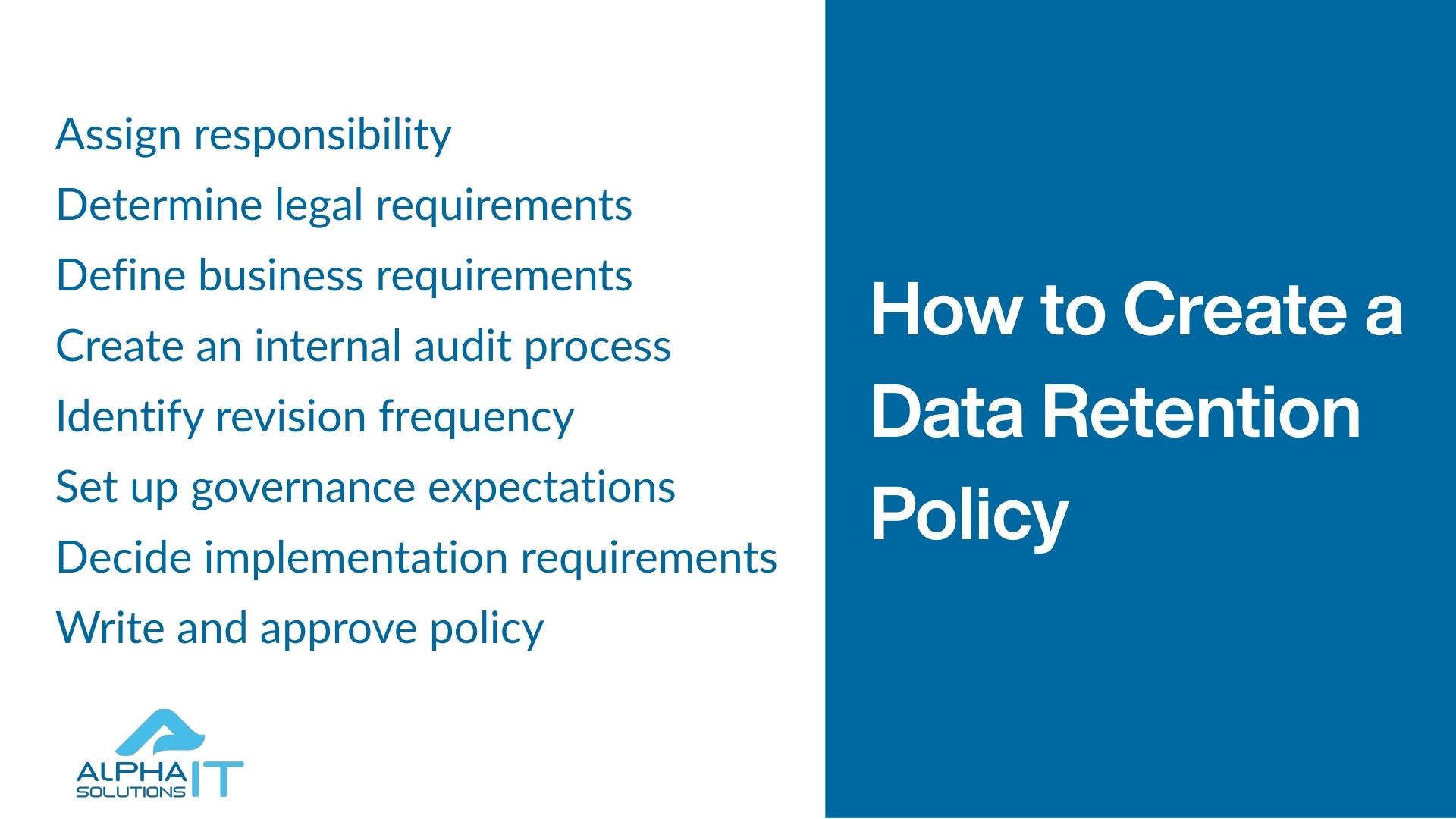
Keep personal data only for as long as necessary. Organisations in Ireland must also document retention schedules.
Integrity & Confidentiality (Security)
Implement appropriate technical and organisational measures (TOMs) to safeguard data against unauthorised access, alteration, loss, or destruction.
Accountability
Organisations must be able to demonstrate GDPR compliance—through policies, logs, risk assessments, DPIAs, and training.
Practical Steps for Data Protection
Data Mapping & Records of Processing Activities (ROPAs)
Identify:
- What data you collect
- Where it is stored
- Who has access
- Legal bases for processing
This is mandatory for most organisations under GDPR Article 30.
Access Control
Restrict access based on the principle of least privilege and implement:
- Strong passwords
- Multi‑factor authentication (MFA)
- Role‑based access controls
Data Encryption
Encrypt sensitive personal data both at rest and in transit using industry‑standard protocols.
Regular Backups
Maintain secure, encrypted backups and ensure they are stored separately. Test restoration procedures regularly.
Secure Data Disposal
Dispose of personal data in line with retention schedules:
- Shred physical documents
- Use certified data‑wiping or destruction tools for digital data
Employee Training
Regularly train staff on:
- GDPR obligations
- Recognising phishing or social engineering
- Handling data securely
Training is a key expectation in DPC investigations.
Data Protection Impact Assessments (DPIAs)
Conduct DPIAs when introducing new technologies or high‑risk processing (e.g., large‑scale health data processing).
Incident Response & Breach Notification
Have a clear plan to:
- Assess and contain the breach
- Notify the Data Protection Commission within 72 hours, if required
- Inform affected individuals where risk is high
Privacy Policies & Notices
Ensure privacy notices are:
- Clear and accessible
- Up-to-date
- Specific about processing purposes, legal bases, and individuals’ GDPR rights
CONCLUSION
Protecting sensitive information is a legal and ethical responsibility for all organisations operating in Ireland.
By adhering to GDPR principles, implementing strong security controls, and cultivating a culture of privacy, you can greatly reduce the risk of data breaches and regulatory action while maintaining the trust of customers, employees, and partners.
Data protection is not a one‑off task—it is an ongoing commitment requiring continual review, improvement, and vigilance.
FREE DOWNLOAD
Download a PDF version of this material.